
Police Mummy Duck
In 18th century society, the illiterate remembered unfamiliar surnames by associating them with physical objects - which is how Mary Coughlan became Mary Cocklane.
Gary L. Sturgess
1/8/20262 min read
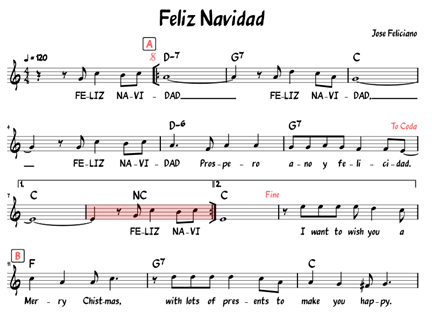
My sister-in-law, who works as a pre-school teacher, recently told me of an occasion not long before Christmas when one of the children in her care, usually a timid little thing, volunteered to sing a Christmas song before the group. Standing next to her teacher, she asked her to accompany her, then launched into a brave rendition of ‘Police Mummy Duck’.
Children live in a world that is largely aural – until they are five or six, they have no visual image of the words they hear, and they lock them in their memory by referencing words with a strong visual association – in this case, police, mummies and ducks.
I discovered some years ago that adults who are wholly or substantially illiterate do the same thing. When I was investigating political corruption in New South Wales in the 1980s, I used to meet from time to time with James (’Big Jim’) McCartney Anderson, who had been a club manager and strong man for the legendary King’s Cross vice lord, Abe Saffron.
Jim would often convert unfamiliar names into visual equivalents and he had no interest in being corrected – that was how he recalled them when stories were being told. So, Sydney Queens Counsel (later judge), John Sakkar, who was to prosecute Saffron in some case, was known as ‘Sacks’ - there were others which I now cannot recall.
In researching convict history, I have come to realise the illiterate or semi-literate of the late 18th century did the same. Surnames were transformed in daily discourse, and scribes hearing unfamiliar names wrote down what they thought they heard.
I’m not referring here to the use of alternative spellings where it was difficult to be sure which version of the name was used – Divine/Devine, Dickinson/Dixon, Ingraham/Ingram. Nor to the tendency to Anglicise unfamiliar foreign names where Gascoigne became Gaskins, Scattergutt/ Scattergood, Singures/ Singers or Singer.
I’m thinking of William Blatherhorn, a First Fleet convict whose name was sometimes rendered as Bladderhorn – two physical objects which made more sense to an individual who had never encountered this name before or seen it written down.
Mary Wade, another First Fleet convict, was often referred to by an alias, Coughlan, possibly the name of a husband or partner in England before she sailed for NSW. This unfamiliar name turned up in a variety of forms – once or twice as Coclin, but more often as Cocklane, Cockland and Cockling.
Mary Gable became Mary Gamble in the First Fleet Victualling List, which was prepared at sea. Thomas Hylids became Thomas Eylidd; Mary Mitchcraft/ Mary Beachcraft or Beachcroft. The clerks struggled with Mary Gittos, a Welsh surname, variously rendered as Gittes, Gettis and Gatehouse.
The only convict journal from the early years of transportation known to have survived was kept by a silversmith named William Noah, who sailed out on the ill-fated Hillsborough in 1799. Noah kept a list of all the men who sailed on that voyage and faithfully recorded their passing.
While he was literate, Noah was highly aural in the way he captured surnames – to him Angus was Anguish; Blackett/ Blankett; Brakefield/ Brickfield. Curran became Currant, Bye/ Pye; Fellgate/ Fieldgate.
Other unusual surnames which reflected already familiar things - Lightfoot, Limeburner or Mariner - were never transformed in this way.
Contact us
Botany Baymen acknowledges the traditional custodians of country throughout Australia and respects their connection to land, water and community.
© Botany Baymen 2024-2026. All rights reserved.
You may download, display, print and reproduce this content for your personal or non-commercial use but only in an unaltered form and with the copyright acknowledged.
Privacy Policy

Subscribe to our latest updates
Be the first in the know. We promise no spam.